
The Pedestrian-Dragging Incident at a Self-Driving Autonomous Van Revisited by the Cruise Company
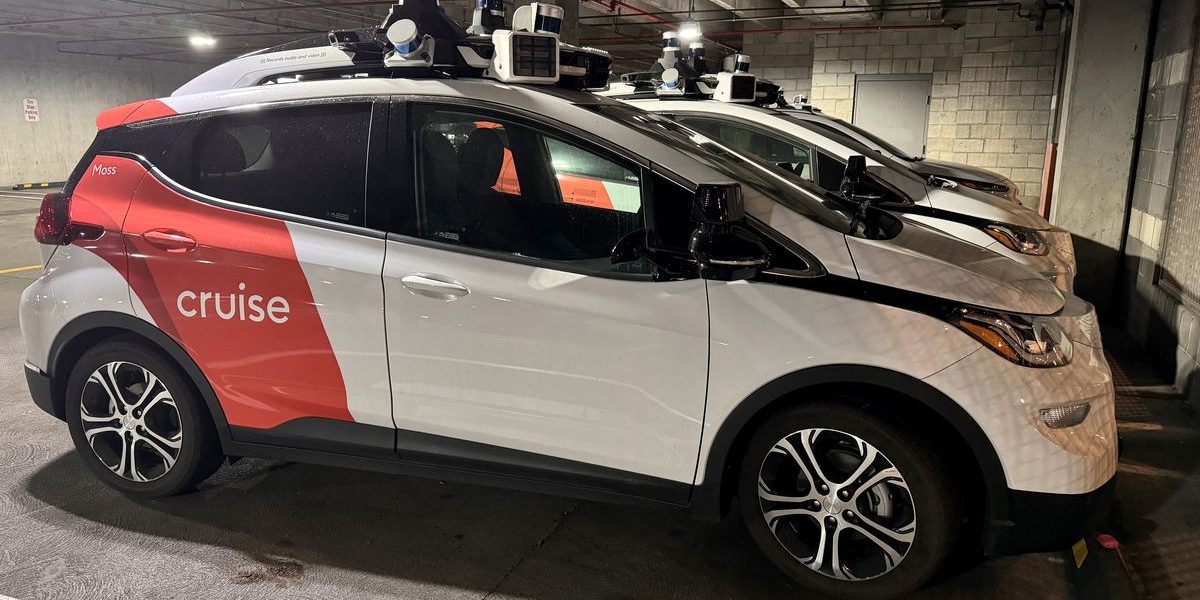
Cruise has paused its self-driving operations across the US since late October. Nine executives, along with CEO and founder Kyle Vogt left after the crash. The company laid off over 25% of its employees. The tech company’s spending will be reduced by more than half a billion dollars this year compared to last.
The media narrative of the Cruise vehicle causing the accident was corrected by Cruise’s leadership. This “myopic focus” led the company to omit details about the role its own vehicle played in injuring the pedestrian. Regulators and the media accused Cruise of misleading them as a result of Cruise’s failure to correct the record.
The new report by law firm Quinn Emanuel says that Cruise failed to tell California’s Department of Motor Vehicles that after striking a pedestrian knocked into its path by a human-driven vehicle, the autonomous car pulled out of traffic—dragging her some 20 feet. Cruise accepted the firm’s version of events as well as its recommendations.
Prior to the October 3rd meeting with the San Francisco mayor’s office, the National Highway Traffic Safety Administration, and other government officials, 100 Cruise employees were aware of the pedestrian-dragging incident. Cruise let the video speak for itself, and didn’t say anything about the pedestrian being dragged. A bad internet connection kept it from happening.
A report compiled by a law firm investigating an incident where one of Cruise’s cars dragged a man 20 feet said the self-driving car’s internet connection was not enough to send a 90-second video to regulators.