
Lesons in Road Safety from Regulation: From Banks, Insurance Companies, Food, Medicine, and Artificial Intelligence (An Exploratory Study)
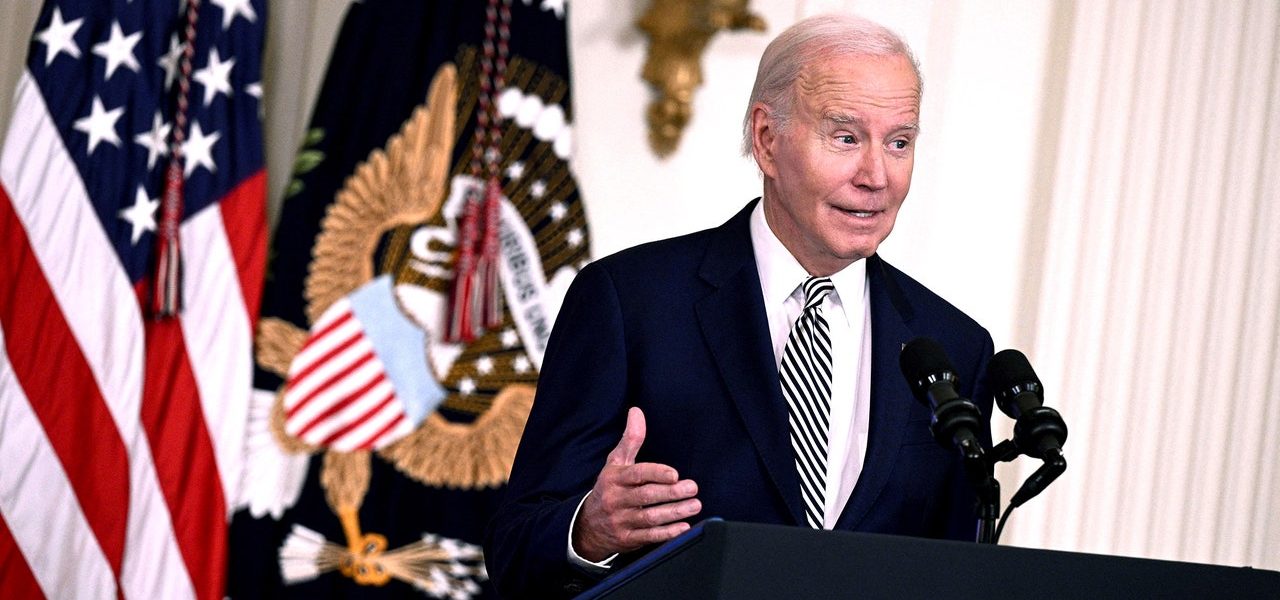
Biden’s executive order touches everything the federal government does. It makes it mandatory for government agencies to have clear standards to protect rights and safety.
Governments and corporations should not fear regulation. It enables technologies to develop and protects people from harm. That doesn’t have to come at the cost of innovation. In fact, setting firm boundaries could spur safer innovation within them.
Fortunately, there is a wealth of literature on regulation — from banking to medicines to food to road safety — on which governments can draw. For instance, researchers at Google DeepMind in London have laid out some lessons that civil nuclear technology could have for AI, using the example of the International Atomic Energy Agency (H. Law & L. Ho Nature Rev. Phys. https://doi.org/k3h2; 2023).
Every technology is different, but some fundamental principles have emerged over decades of regulatory experience. One is the necessity for transparency, and for regulators to have access to complete data to allow them to make the right decisions. Another is the need for legally binding standards for monitoring, compliance and liability.
The 2008 global financial crisis shows what can happen when regulators don’t look closely at relevant data. Regulators didn’t know, or were unable to detect, that banks and insurance companies had invested hundreds of billions of dollars in loans in opaque ‘black box’ financial products that were, ultimately, dependent on risky credit — until it was too late. Andrew Haldane and Robert May explained in Nature how these products had been created and what their risks were.
Continuation education, registration, regular monitoring and reports of incidents that could cause harm, are some of the mainstays of regulation. Lessons in road safety can be found here. The car has transformed the lives of billions, but also causes harm. Vehicle manufacturers need to comply with product safety standards, vehicles must be tested frequently and there is an insurance based legal framework to assess and apportion liability in the case of accidents. Regulation can even spur innovation. The development of cleaner vehicles is a result of the introduction of emissions standards.
Nonetheless, the idea that companies should not be, as Sunak put it, “marking their own homework”, is right for a technology that poses a known risk to jobs and uses algorithms that often reinforce bias and discrimination. Governments want to attract flagship companies — Elon Musk, the owner of X (formerly Twitter), is reported to be attending the summit. But when it comes to AI safety, independent scrutiny is required, and that means regulation — a word that governments are reluctant to use.
Tiny superheroes, fun-size dinosaurs, and overgrown insects squealed at the White House on Monday. The children dressed up in costumes for Halloween didn’t come for the announcement of the artificial intelligence order. Yet as the US government digests its lengthy, new to-do list and Vice President Kamala Harris heads to a UK summit on AI to sell the president’s vision, leaders in Congress and nations around the world may be asking themselves, trick or treat?
The White House believes that the power of the president’s pen is very strong, but executive orders have limited power domestically and abroad. Behind the White House’s PR push about setting a new course for Artificial Intelligence lie scary but real monsters of congressional incompetence and international rivals. Biden has a vision for Artificial Intelligence and his administration hopes it will take root.
Biden said that the order would use the same authority as before to make companies prove that their systems are safe.
Predictions for the UK Summit on AI Safety with Vice President Harris on Far-Off Artificial Intelligence Risks (Extended Abstract)
Vice President Harris was at his side for the announcement but is taking his AI vision on the road for the rest of the week. She will be talking at the UK Summit on AI Safety, hosted by Prime Minister Rishi Sunak and focused on far-off artificial intelligence risks.