
Trade and Jobs in the U.S.: Implications of the Trump-Biden Actions on China’s Unfair Practices
Trump had made tariffs on China one of his signature policy moves when he was in the White House. Some Democrats warned that this could hurt the economy and that Americans would pay the price.
Treasury Secretary Janet Yellen said in a statement that she raised concerns last month during a trip to Beijing about “artificially cheap Chinese imports,” concerns that she said many other countries share. She said the new tariffs were necessary to protect American workers and companies from the flood of unfairly traded products.
The move comes during a time when Biden is pushing for the implementation of three pieces of legislation to boost the domestic manufacturing and clean energy sectors, as well as ahead of a presidential election where trade and jobs will again be an issue.
“We know China’s unfair practices have harmed communities in Michigan and Pennsylvania and around the country that are now having the opportunity to come back due to President Biden’s investment agenda,” Lael Brainard, Biden’s top economic adviser, told reporters.
“One of the challenges is once tariffs have been imposed, it is quite difficult politically to reduce them — because the affected industry tends to get used to them, like them, operate with them as baked into their plans,” said Michael Froman, who was U.S. Trade Representative during the Obama administration.
The White House has tried to make sense of the approach that Trump is taking. Trump has said in interviews and in rallies that if he wins, he will increase tariffs on all imported goods, including targeting the Chinese car industry, which they said would hike consumer prices.
The White House said the new tariffs were unlikely to provoke a fight between the U.S. and China, because the issues have been discussed in meetings with Chinese officials.
The US has taken other actions as it ramps up domestic manufacturing in response to the trade disputes with China. The increased tariffs are expected to affect $18 billion in annual imports.
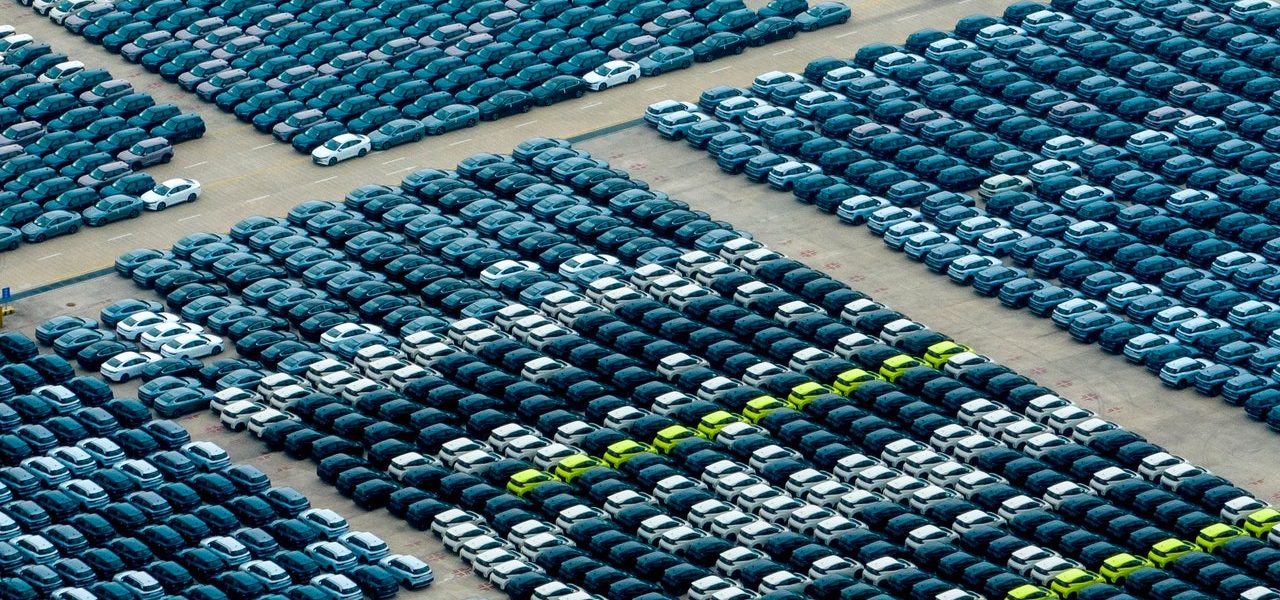
The move against Chinese cars comes at a delicate time for electric vehicle manufacturers in the US, as they try to catch up with China in quality and price.
Electric vehicle batteries and battery components will also be subject to new tariffs—Chinese lithium-ion battery tariffs rise from 7.5 percent to 25 percent, and rates for Chinese critical minerals, including manganese and cobalt, will move from 0 percent to 25 percent.
Meanwhile, US-based solar manufacturers are celebrating the decision to raise tariffs on solar cells to 50 percent from the previous 25 percent. Mike Carr, executive director of the Solar Energy Manufacturers for America Coalition, said in an email that the Administration made the right decision to strengthen protections for solar components.
Roughly 40 percent of the solar-grade polysilicon manufacturing taking place in China takes place in the Xinjiang region, where the US already blocks solar imports over concerns about labor and human rights violations.
Automakers in the US: How much does it take to push the EV sector forward? The American auto industry’s fate hangs in the balance
The fate of the US auto industry, as well as the entire world, hangs in the balance. Motor and diesel fuel consumption in the US transportation sector accounted for nearly a third of the country’s energy-related carbon dioxide emissions last year, according to the US Energy Information Administration.
Will the effort work? The Alliance for automotive innovation is the main auto lobbying group in the US. According to John Bozzella, president and CEO, US automakers can out compete and innovate anyone on the EV transition. “No doubt about that. The issue at this moment isn’t the will … the issue is time.”
Billions were directed to building up domestic supply chains for electric vehicles and other renewable energy sources by the Inflation Reduction Act. It could take years to make those efforts.
“The administration is trying to walk a line,” says Susan Helper, a professor of economics at Case Western Reserve University, who worked on electric vehicle policy in the Biden administration. One of the goals of a strong auto industry is good jobs and clean production methods and the other is fast action on climate change. They’re consistent in the long-term. In the short term, there’s conflict.”