
Trump’s Trade War is Killing: Implications for the US’ Electric Vehicle Supply Chain and the American Manufacturing of Low-Cost Models
Biden, meanwhile, describes his approach as “strategic and targeted” and says across-the-board tariffs would cost American households $1,500 a year. Biden’s tariffs are linked with those subsidies for domestic manufacturing of technologies that have been denounced by Trump.
The White House believes that higher hikes and subsidies by Congress can help create a U.S.-based supply chain for green energy.
Trump had made tariffs on China one of his signature policy moves when he was in the White House. Democrats warned that Americans would have to pay the price for it, and that it could hurt the economy.
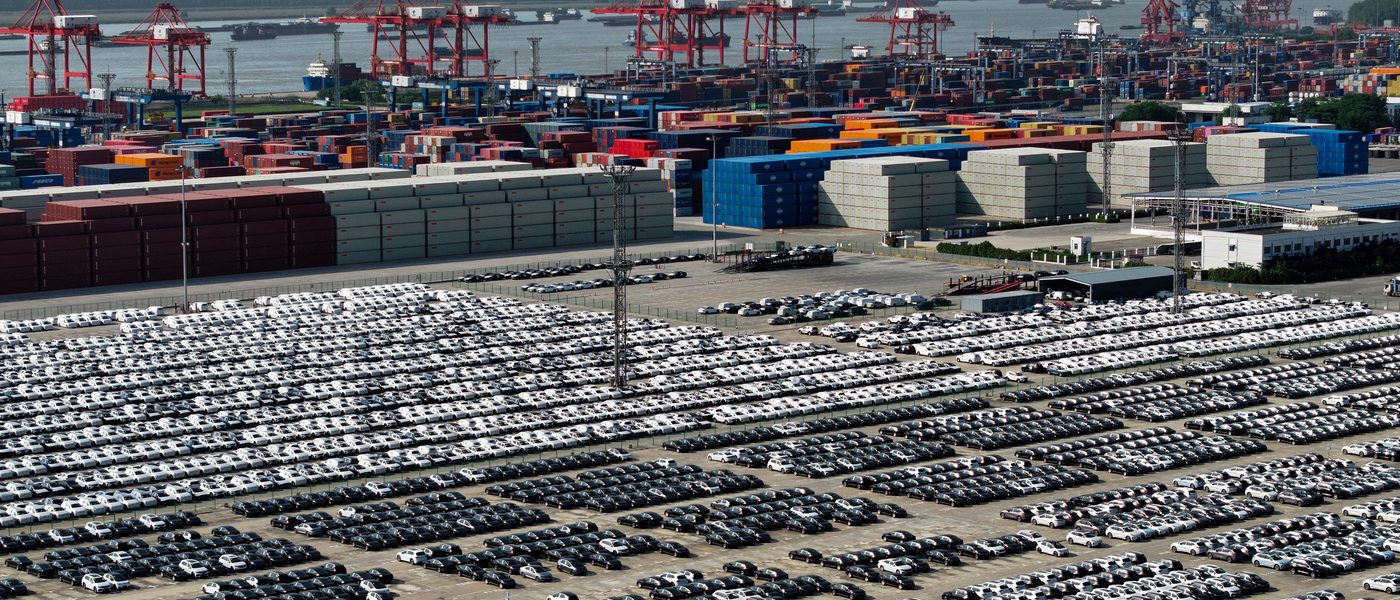
When it comes to EVs, the Biden administration is doubling down on tactics to lock Chinese manufacturers out of the US. Chinese-made EVs are a lot more affordable than other options — around $10,000 for BYD’s Seagull compared to close to $40,000 for the cheapest Tesla model. But high tariffs have effectively blocked China from importing its EVs to the United States. The current rate of 25 percent is being increased to 100 percent.
China’s lead in electrics, experts say, stems from years of investment in vehicle software, battery, and, critically, supply chain development. BYD, which briefly overtook Tesla as the world’s top EV seller last fall, has been manufacturing electric vehicles since 2003.
The White House has warned that a cheap car sold in the US would cause a lot of job losses at U.S. factories.
The subsidy and protectionist tariffs given to clean industries are because Biden wants to cut emissions in a specific way. He wants a U.S.-based green energy supply chain — from raw materials all the way to finished products — with American jobs, preferably union jobs, at every step.
The batteries and battery supply chain are needed for the US to develop domestic electric vehicle development and the tariffs are meant to begin the clock on that.
Not too long ago, both Democrats and Republicans vocally endorsed free trade, denouncing trade barriers as obstacles to prosperity and government support for specific industries as “picking winners and losers.” These days, there’s bipartisan support for tariffs. Industrial policy is commonly used to describe Subsidies for certain types of manufacturing.
Biden’s policy towards China is now Trump’s policy towards China. But there are differences, as the two presidential candidates themselves point out.
Most of the new tariffs cover items that the Biden administration has sought to have made in America through investments in the Inflation Reduction Act, the CHIPS and Science Act and the Bipartisan Infrastructure Law.
“We know China’s unfair practices have harmed communities in Michigan and Pennsylvania and around the country that are now having the opportunity to come back due to President Biden’s investment agenda,” Lael Brainard, Biden’s top economic adviser, told reporters.
“One of the challenges is once tariffs have been imposed, it is quite difficult politically to reduce them — because the affected industry tends to get used to them, like them, operate with them as baked into their plans,” said Michael Froman, who was U.S. Trade Representative during the Obama administration.
The White House has downplayed the risk that the new tariffs could spark retaliation from China, saying that the issues have been discussed during meetings of top U.S. and Chinese officials, and were unlikely to come as a surprise.
As the US ramps up manufacturing, it also heightens trade tensions with China. All in all, the increased tariffs are expected to affect around $18 billion in annual imports.
Tariffs on permanent magnets, natural graphite, and certain other critical minerals are also set to rise to 25 percent from zero over the next couple of years. Graphite is used in batteries, solar panels, and steelmaking. Certain steel and aluminum products will see tariffs rise to 25 percent from today’s zero to 7.5 percent.
US-based solar manufacturers are celebrating the decision to raise tariffs on solar cells to 50 percent. The executive director of the Solar Energy Manufacturers for America Coalition says that the Administration made the right decision by strengthening protections for solar components.
40 percent of solar-grade polySilicon manufacturing takes place in China but the US is preventing those imports due to concerns about forced labor and human rights violations.
US automakers can out-compete and out-innovation anyone on the EV transition, or how the Inflation Reduction Act might constrain domestic supply chains
The auto industry in the US and the world are concerned about catastrophic global climate change. Motor and diesel fuel consumption in the US transportation sector accounted for nearly a third of the country’s energy-related carbon dioxide emissions last year, according to the US Energy Information Administration.
Will the effort work? John Bozzella, president and CEO of the US’s main auto lobbyist group, the Alliance for automotive innovation said in a written statement: “US automakers can out-compete and out-innovation anyone on the EV transition.” “No doubt about that. The issue at this moment isn’t the will … the issue is time.”
Meanwhile, another influential US policy, the Inflation Reduction Act, directs billions to building up domestic supply chains for electric vehicles and other renewable energy sources. But those efforts could take years.